06 Feb At-Home Sleep Test vs. In-Lab Study: Which Is Right for You?
 If you’re experiencing loud snoring, daytime fatigue, or waking up gasping for air, you may be wondering whether you need a sleep study. Understanding the difference between an at-home sleep test vs. an in-lab study can help you choose the option that best fits your symptoms, lifestyle, and budget.
What Is an In-Lab Sleep Study?
An in-lab sleep study, also called a polysomnography, is something a sleep specialist will conduct overnight in a sleep center. Trained technicians will monitor you while sensors track brain waves, eye movement, muscle activity, heart rate, breathing patterns, and oxygen levels.
In-lab studies are considered the most comprehensive option and are often recommended if your doctor suspects complex sleep disorders beyond obstructive sleep apnea, such as narcolepsy or periodic limb movement disorder.
What Is an At-Home Sleep Test?
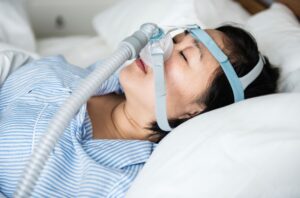
A home sleep test allows you to sleep in your own bed while wearing a portable device. Many patients ask, “What does a home sleep test measure?” Typically, it tracks airflow, breathing effort, oxygen levels, and heart rate. While it does not measure brain activity or sleep stages, it can effectively diagnose moderate to severe obstructive sleep apnea in otherwise healthy adults.
This leads to another common question: Is a home sleep test accurate? For diagnosing uncomplicated sleep apnea, home tests are widely considered accurate and reliable when ordered and interpreted by a qualified provider.
How to Decide Which Is Right for You
Choosing between an at-home sleep test vs. an in-lab study depends on your symptoms and medical history. Home sleep testing is often ideal if you have classic sleep apnea symptoms and no major underlying health conditions. It’s also more convenient, affordable, and comfortable for many patients.
In-lab studies may be the better choice if your symptoms are severe, your home test results are inconclusive, or you have other health issues such as heart or lung disease.
Both testing options play an important role in diagnosing sleep apnea. Understanding your needs and working with a reputable provider can help you get better sleep and better health faster.
How to Get a Sleep Apnea Test
If you’re wondering how to get a sleep apnea test, the first step is a consultation with a sleep specialist. They’ll evaluate your symptoms and refer you to a doctor or doctors who can provide an at-home sleep test..
For patients in Central Florida, Healthy Sleep Solutions is a trusted provider in Winter Park, FL. Their expert guidance ensures accurate diagnosis and personalized treatment.
Book your appointment today for better sleep tomorrow.